Web Application Development Web application development company in Riyadh, Saudi Arabia
Many Saudi companies run real operations on Excel files, WhatsApp groups and a system nobody likes. We map the process with your team and build a web system in Arabic and English that fits it.
For companies in Riyadh, Jeddah, Dammam and across Saudi Arabia: contractors, logistics firms, recruitment offices, clinics and service businesses.
You asked for a system and got a quote for a website.
Searching for a company to build a custom system in Saudi Arabia returns website designers, app developers and large software houses, and their quotes describe very different things. Without a written scope, you cannot tell who will build the approvals, the roles, the reports and the Arabic interface, and who will only build the screens.
Saudi teams also need specific things: an Arabic interface that staff can actually use, dates and documents the way your departments expect them, hosting agreed with you, and connections to the accounting, HR or delivery systems already in place. We map your process first, so every line of the quote is something your team will use.
Systems Saudi companies commission
- Project and site tracking for contractors
- Fleet and shipment dashboards
- Recruitment and visa case tracking
- Customer and vendor portals
- Approval workflows across branches
What you get
You get a written scope, a prototype tested by your staff, a working system with roles for each department, links to the tools you already use, and the code and data in your name.
Process Mapping & Scope
A written scope built from how your team works today: who does what, where the spreadsheets and paper are, and what the first release must replace.
Screens & Prototype
Screen flows and a clickable prototype in Arabic and English, tried by the people who will use the system before anything is built.
Application Build
The application built with modern, widely used frameworks, delivered in short cycles with a working version you can test each time.
Roles & Permissions
User roles and permissions that match your organisation, so a branch manager, a driver and an accountant each see only what they should.
Integrations & Data
Connections to the systems you already use, through their APIs where they offer them, and an import of your existing records where it is in scope.
Hosting, Handover & Support
Hosting agreed with you, the source code and documentation handed over in writing, and a support plan for fixes and new features.
Running the business on spreadsheets and WhatsApp?
Tell us the process that hurts most and who is involved. We reply with questions and a scoped quote.
How it works
Step 1: Map
We sit with the people who do the work, map the process as it really runs, and agree what the first release covers.
Step 2: Prototype
Screens and flows as a clickable prototype, tested by your team in Arabic and English before development starts.
Step 3: Build
Development in short cycles, each ending with a version you can log in to and try with real data.
Step 4: Launch
Testing, data import, training for your team, go-live, then the code, documentation and accounts handed over in writing.
Development work
See all work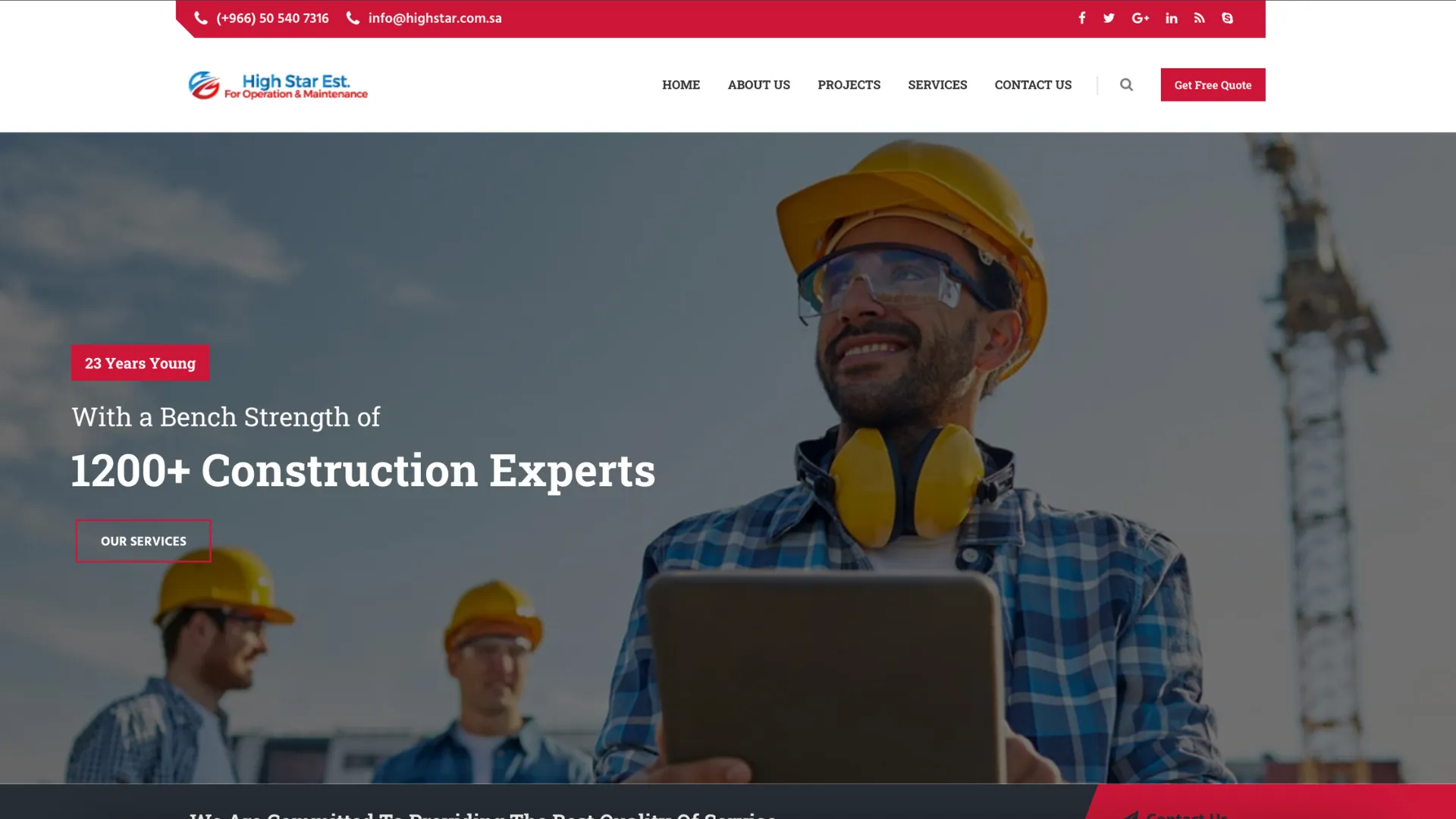
High Star Est. website and brand
Website, branding, logo and company profile for High Star Est., an operation and maintenance contractor in Yanbu, Saudi Arabia.
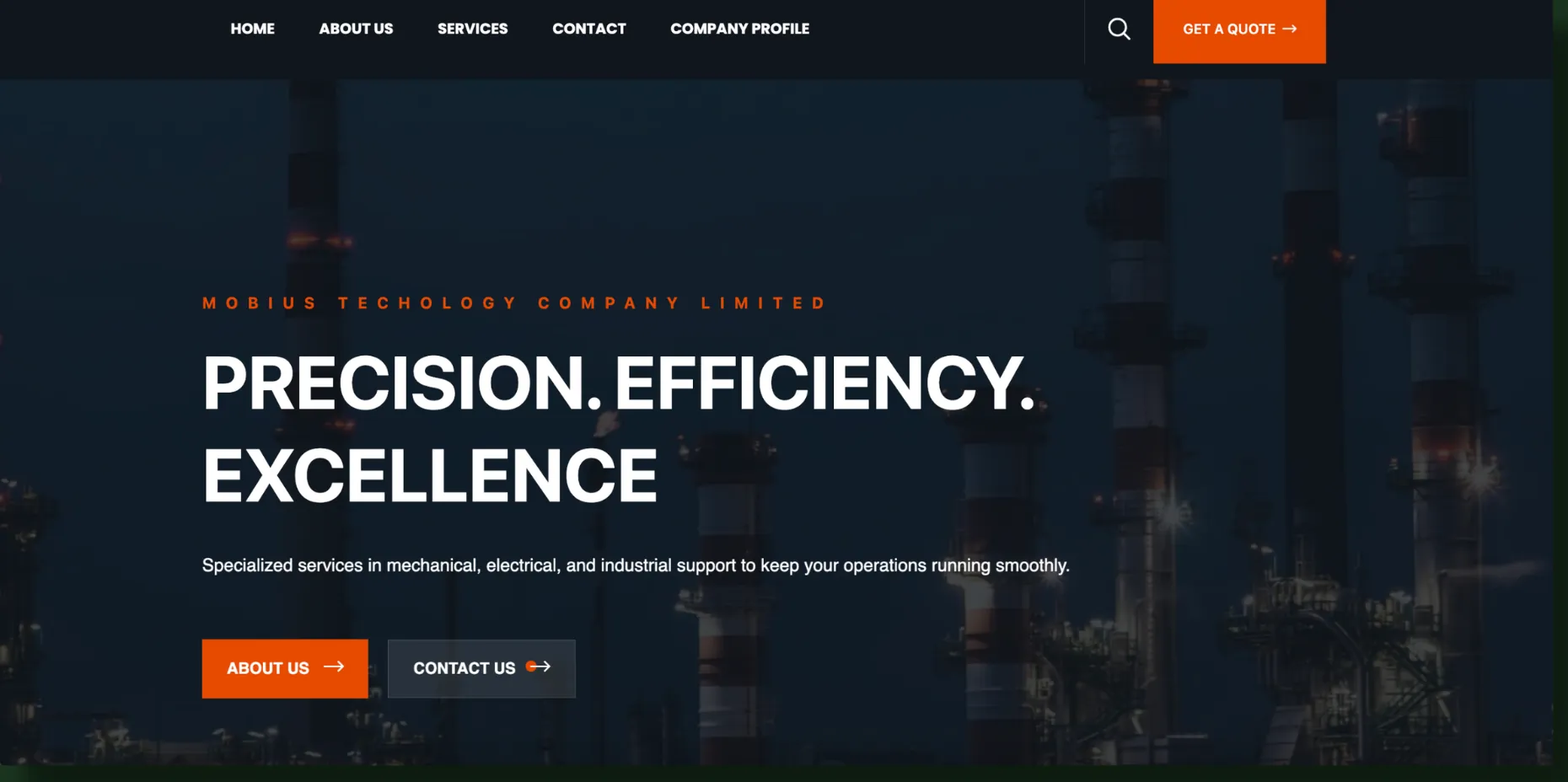
Mobius bilingual brand and website
Bilingual Arabic and English logo, brand identity, company profile and website for Mobius Technology Company Limited, an industrial services company in Saudi Arabia.
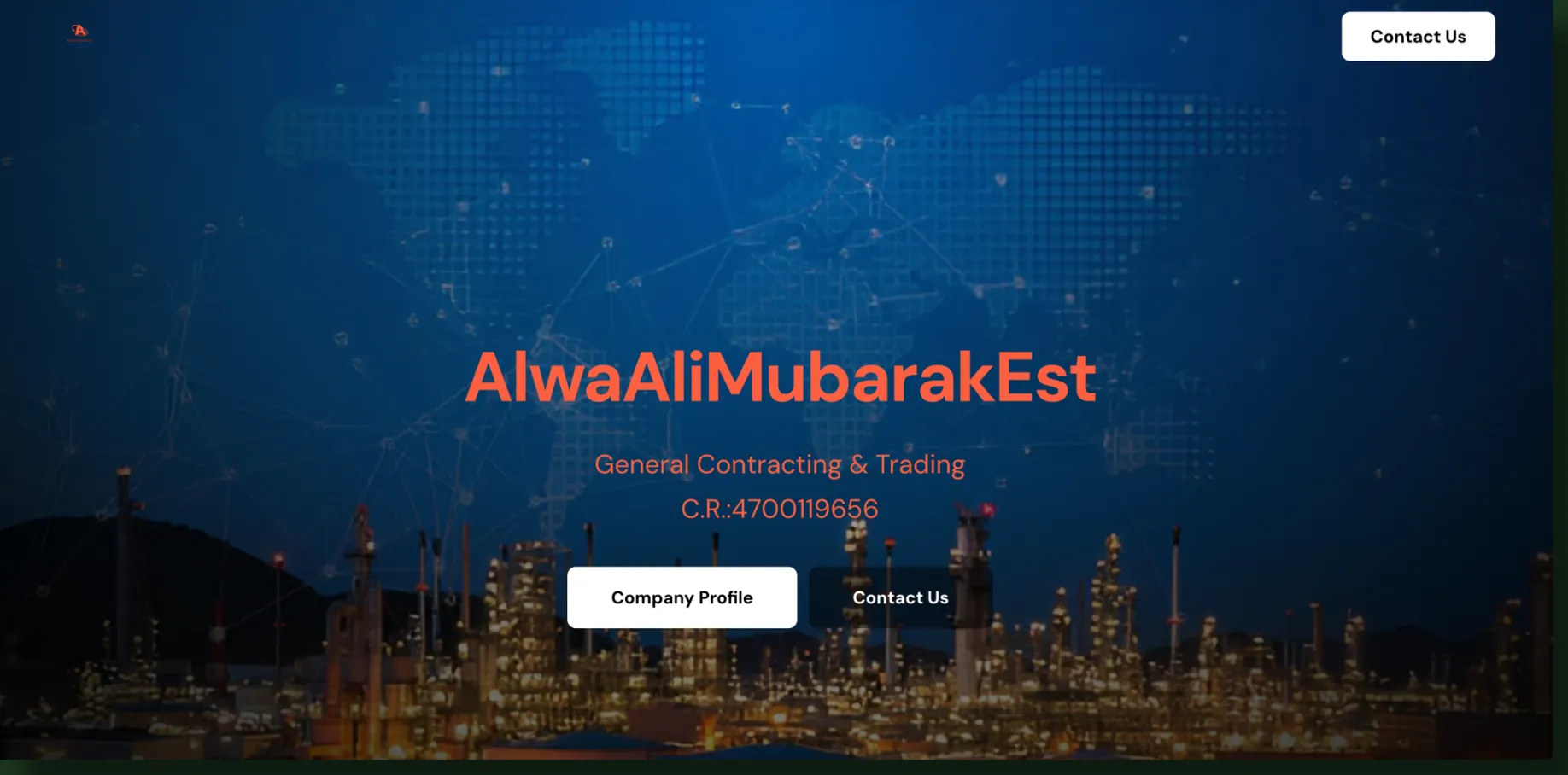
Alwa Ali Mubarak Est. website
Website, domain and hosting setup, and company profile for a general contracting and trading establishment in Saudi Arabia.
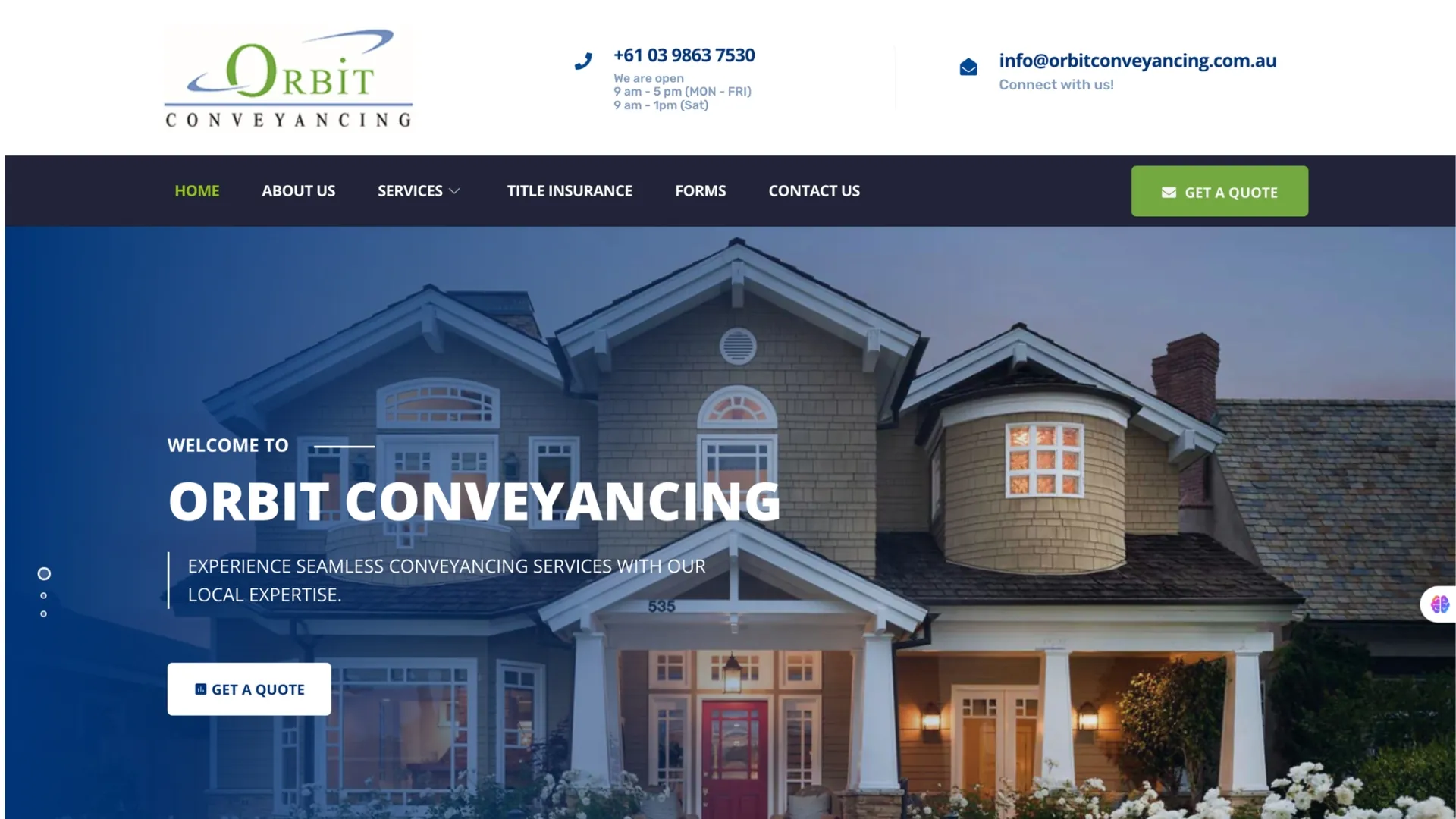
Orbit Conveyancing website
Website, branding and Google Business Profile setup for Orbit Conveyancing, a property conveyancing firm in Melbourne, Australia.
Project or retainer?
Questions
How much does a custom system cost in Saudi Arabia?
It depends on scope, not on a price list: screens, user roles, reports, integrations, data migration and timeline. We map the process and write the scope first, then send a fixed-scope quote you can compare line by line with others.
How long does it take to build?
A first release that replaces one process is much quicker than a full platform. The proposal has dated milestones against the scope, and changes are priced and scheduled before work on them starts.
Is the Arabic interface built properly?
Yes. Screens are designed right to left from the start, with Arabic typography and labels written for your staff, then tested with them, not mirrored at the end.
Can the system show Hijri and Gregorian dates?
Yes, where your process needs it. We agree in scoping which screens, documents and reports use which calendar.
Where is our data hosted?
We agree the hosting provider and region with you in scoping. If your sector has data-location or data-protection requirements, confirm them with the relevant authority or your adviser and tell us early, so the build fits.
Can it connect to our accounting or ERP system?
Often yes, if that system offers an API or a dependable export. We test each connection during scoping before we commit to it in the proposal.
Who owns the source code?
Your company does. Code, database, hosting accounts and documentation are in your name, written into the proposal and handed over at go-live.
Do you train our staff?
Yes. Training for each role is part of launch, with short guides in Arabic and English so new staff can learn the system later.
Custom system or a ready-made product?
If a ready-made product fits your process, we will say so and save you the build. A custom system makes sense when your process is specific and repeated every day.
What support do you provide after launch?
A support plan for fixes, security updates and new features, agreed in writing and without lock-in, since the code and documentation are yours.
Tell us about the system you need.
A short brief is enough: the process, the people who use it, the systems it must talk to and the languages. We reply with questions and a fixed-scope quote.
More specialist services
Each one stands alone, and they work together on a single brief.
- DevelopmentAll Development services
- E-commerce Store DesignSalla, Zid, Shopify, WooCommerce / Arabic + English / Launch-ready
- API IntegrationSystems connected / No more copy and paste / Monitored
- Website Speed OptimizationCore Web Vitals / Mobile first / Before + after
- Mobile App DevelopmentiOS + Android / Arabic RTL / Store submission
Cities we work in
Got a brief?
Tell us what you are making and when it has to ship. We will take it from there.