API Integration Software integration services in Manama, Bahrain
A Bahrain business with a booking tool, a POS, an online store and an accountant usually has one person reconciling them every week. We connect those systems so bookings, sales and payments arrive where they belong.
For Manama and Bahrain: restaurants, clinics, salons, retailers and service firms using several off-the-shelf tools.
CREATVZ is a software integration company in Bahrain, with a studio in Manama. We connect your booking tool, POS, online store and accounting so bookings, sales and payments arrive where they belong, for restaurants, clinics, salons and retailers. Send a list of the tools you use through the project form or WhatsApp.
Good tools that do not talk.
Smaller businesses in Bahrain pick good tools one at a time: a booking app, a POS, a delivery platform, an accounting package. Each one works. Together they create a weekly job of exporting, matching and correcting, and the owner never quite trusts the numbers.
We look at which of those tools offer an API, decide with you which one holds the truth for sales, customers and stock, and connect them in that order. Where a tool has no API, we tell you plainly and suggest a workable alternative instead of a fragile workaround.
Connections Bahrain businesses ask for
- Booking app to accounting
- POS to online store stock
- Delivery platform orders to POS
- Payments to invoices
- Website forms to WhatsApp or CRM
What you get
You get a short audit, a written plan for each connection, tested connectors, alerts when something fails, and documentation and keys held in your accounts.
Systems Audit
A map of the tools you use today, what data moves between them by hand, and which of them offer an API we can work with.
Integration Plan
A written plan for each connection: what triggers it, which fields move, which system is the source of truth and what happens when something fails.
Connector Build
The connectors built and tested against your real accounts, using each provider’s official API where one exists.
Data Mapping & Sync
Field mapping for customers, orders, products, invoices or stock, with an agreed rule for duplicates, missing values and Arabic and English names.
Error Alerts & Logs
Alerts when a sync fails and a log your team can read, so a missed order is noticed in minutes rather than at month end.
Documentation & Support
Plain documentation of every connection and the keys it uses, held in your accounts, plus a support plan for when a provider changes its API.
Software integration services in Bahrain
Smaller Bahraini businesses pick good tools one at a time, and then spend every week moving data between them.
Smaller businesses in Bahrain tend to choose good tools one at a time: a booking app, a POS, a delivery platform, an accounting package. Each one works. Together they create a weekly job of exporting, matching and correcting, and the owner never quite trusts the numbers. We connect the tools you already use, so a sale or booking in one place appears in the others without re-typing.
We work with restaurants, clinics, salons, retailers and service firms in Manama and across Bahrain, from our Manama studio. You do not need a large technical team. We map the steps with you, usually in one meeting or call, then build the connections that save the most time and test them with sample data. We can meet in Manama, or work by video call and WhatsApp, in Arabic or English.
Typical jobs are sending booking data to accounting, keeping POS stock and the online store in step, bringing delivery platform orders into the POS, matching payments to invoices and sending website forms to WhatsApp or a CRM. If a tool has no way to connect, we tell you and suggest a workaround rather than forcing it. You keep the keys and the accounts. Tell us which tools you use and what you copy by hand each week, and we will say what we would connect first.
How Bahraini businesses use API integration
A restaurant with several order channels
Orders come from the website, a delivery platform and the phone. An integration brings them into the POS so the kitchen sees one list.
A salon with a booking app
The salon enters booked services again into accounting. An integration passes them across when the appointment is complete.
A retailer with shop and online stock
Stock counts differ between the shop and the website. An integration keeps them aligned after each sale.
Staff re-typing orders from one system into another?
List the systems and what moves between them. We reply with questions and a scoped quote.
How it works
Step 1: Audit
We list your systems, watch where staff re-type data, and check what each system’s API allows.
Step 2: Plan
Each connection written down: trigger, fields, source of truth, error handling. You approve before we build.
Step 3: Build
Connectors built and tested on a copy or test account first, then switched on with real data under watch.
Step 4: Hand over
Documentation, access keys in your name, alerts set up, and a support plan for provider changes.
Development work
See all work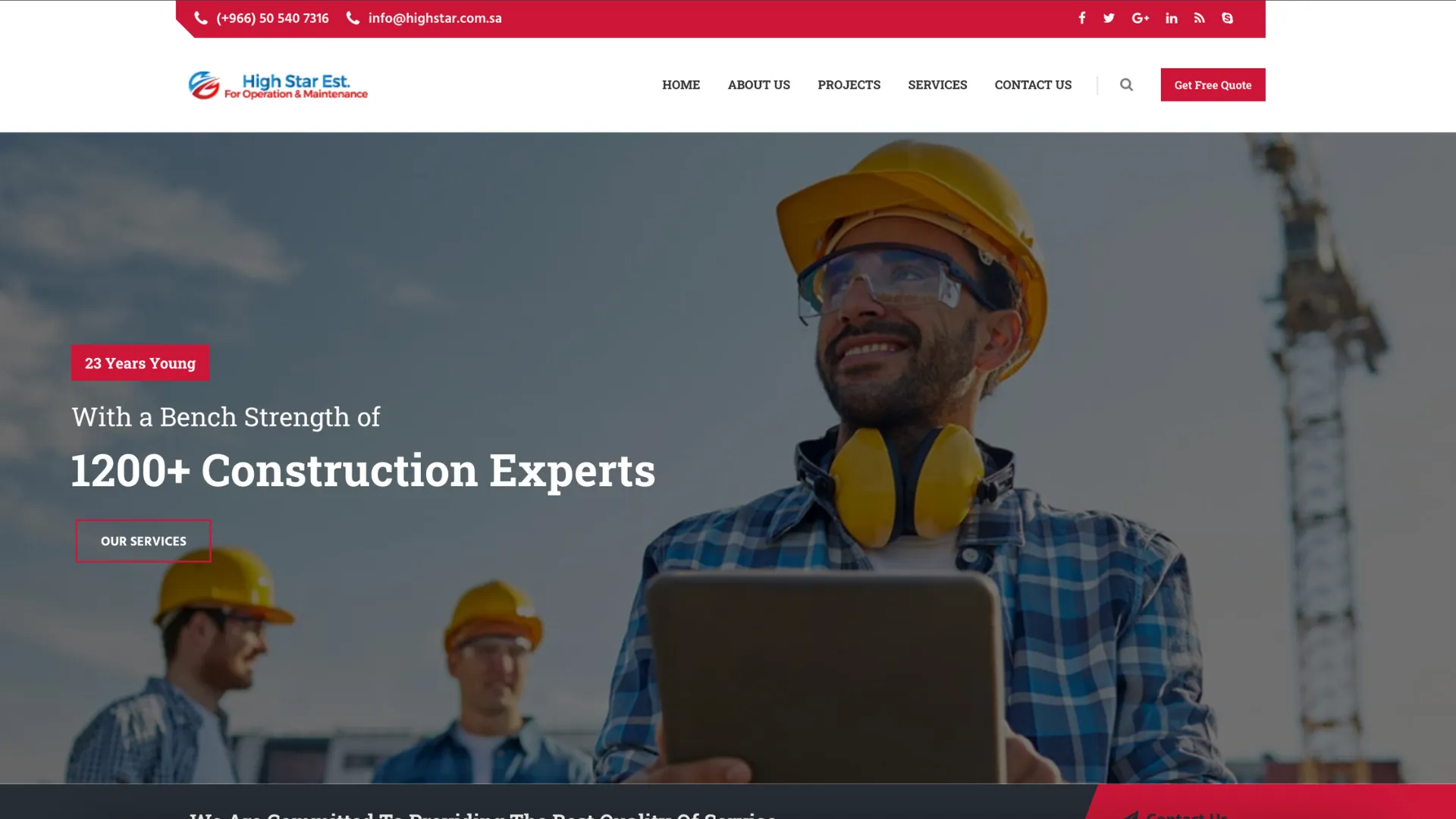
High Star Est. website and brand
Website, branding, logo and company profile for High Star Est., an operation and maintenance contractor in Yanbu, Saudi Arabia.

Mobius bilingual brand and website
Bilingual Arabic and English logo, brand identity, company profile and website for Mobius Technology Company Limited, an industrial services company in Saudi Arabia.
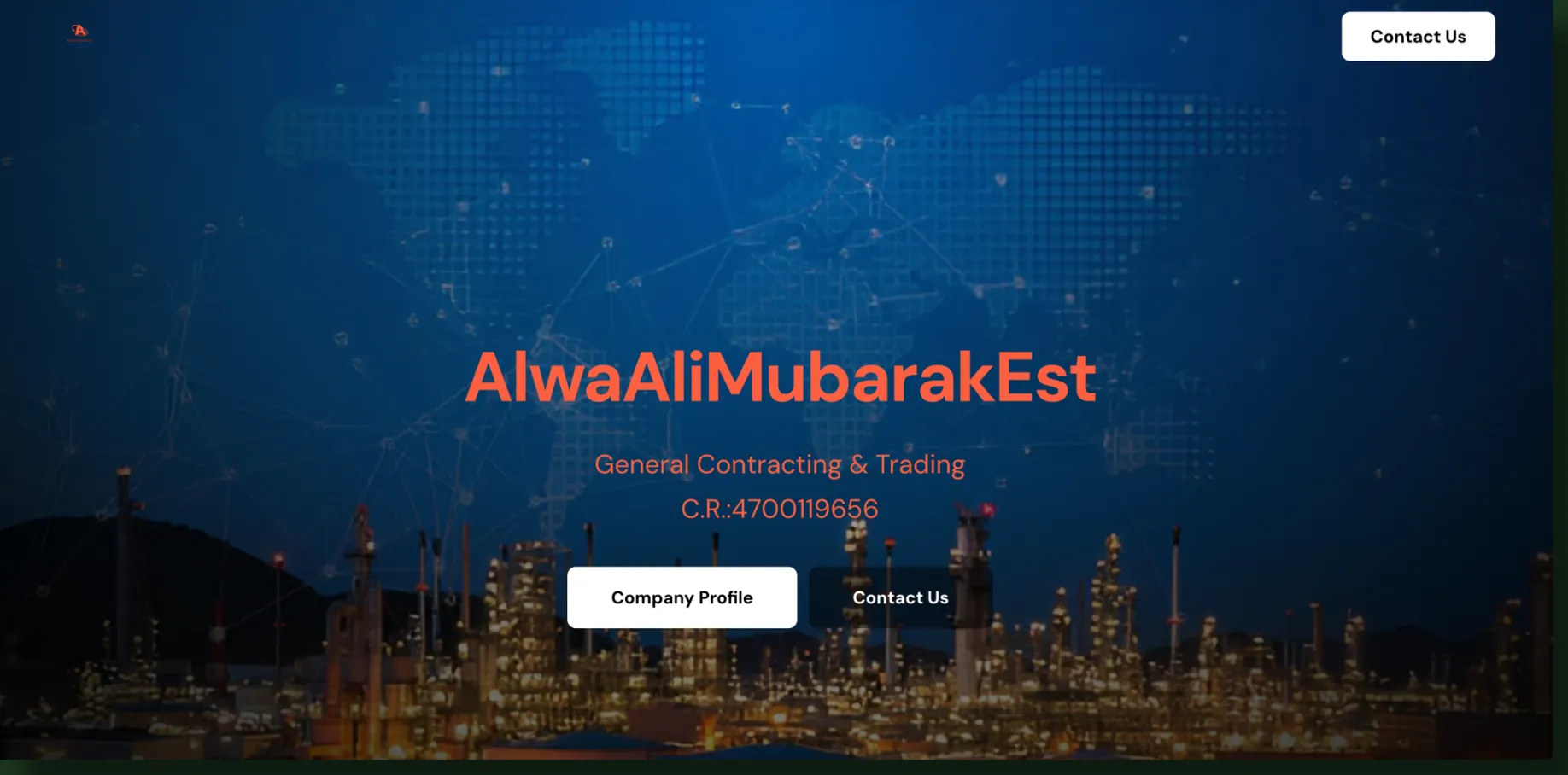
Alwa Ali Mubarak Est. website
Website, domain and hosting setup, and company profile for a general contracting and trading establishment in Saudi Arabia.

Orbit Conveyancing website
Website, branding and Google Business Profile setup for Orbit Conveyancing, a property conveyancing firm in Melbourne, Australia.
Project or retainer?
Questions
How much does integration cost in Bahrain?
It depends on scope: how many tools, what data moves, how often, and the quality of each API. We audit first and quote each connection as a fixed scope.
Will Arabic names and text come through?
Yes. Arabic and English fields are part of the mapping and tested with your own records.
How long does it take?
A single connection is quicker than a chain of several. The proposal gives each one a date.
Can you connect our POS to our online store?
If both offer an API or a supported sync, usually yes, starting with stock and orders. We confirm it in the audit before we commit.
What if a tool we use has no API?
We say so early and look for an export, a webhook or a supported add-on. If none is reliable, we suggest a different tool rather than a fragile fix.
How will we know if something breaks?
Alerts go to the person you choose, failed items are logged and can be resent, and the plan states who fixes what.
Who owns the integration?
You do. Code, hosting and keys are in your accounts, with plain documentation.
Do you support it after launch?
Yes, through a written support plan for fixes and provider changes, without lock-in.
Do you work with small teams with no IT person?
Yes. We explain each step in plain language and write down how the connection works so the owner can follow it.
Can the integration send WhatsApp messages to customers?
Where the WhatsApp provider you use allows it, yes. Message content and consent remain with you.
Can you connect our system to a Saudi partner’s system?
If both sides offer a way to connect, yes. We check their documentation first and agree the scope with you.
How do we know if a connection stops?
We set up alerts for failures and agree who receives them, so a stopped connection does not go unnoticed.
Can we meet in Manama to explain our process?
Yes. Meeting in Manama helps, and we can also go through it on a call.
Can you start with one small connection?
Yes. We often start with the single task that costs the most time, and add others once it works.
Tell us which systems need to talk.
A short list is enough to start: the systems you use, the data you move by hand and how often. We reply with questions and a fixed-scope quote.
More specialist services
Each one stands alone, and they work together on a single brief.
- DevelopmentAll Development services
- E-commerce Store DesignSalla, Zid, Shopify, WooCommerce / Arabic + English / Launch-ready
- Web Application DevelopmentPortals + dashboards / Arabic RTL / Your code
- Real Estate Portals & AppsListings + search / Arabic RTL / Your code
- Website Speed OptimizationCore Web Vitals / Mobile first / Before + after
- Mobile App DevelopmentiOS + Android / Arabic RTL / Store submission
Cities we work in
Got a brief?
Tell us what you are making and when it has to ship. We will take it from there.